By themes / By date
Theme 1: Evaluate the Learning Impact of AI Errors in NLP-based Educational Systems in STEM
Summary: How do AI errors generated by NLP-based educational systems impact learning, and why? Do some learners get affected more? I perform empirical evaluations and propose a framework to assess such impacts. Projects on this topic have received funding support from Microsoft Research and Google.
Publications: (* = equal contribution)

Tiffany Wenting Li, Yifan Song, Hari Sundaram, Karrie Karahalios

Am I Wrong, or is the Autograder Wrong? Effects of AI Grading Mistakes on Learning
Tiffany Wenting Li*, Silas Hsu*, Max Fowler, Zhilin Zhang, Craig Zilles, Karrie Karahalios

Exploring collaborative caption editing to augment video-based learning
Bhavya, Si Chen, Zhilin Zhang, Tiffany Wenting Li, Chengxiang Zhai, Lawrence Angrave, Yun Huang
Educational technology research and development 2022 (Paper / Springer)
Theme 2: Identify Learners’ Attitudinal and Perceptual Challenges with Imperfect and Opaque AI Educational Systems
Summary: What are learners’ perceptions, attitudes, and mental models towards an imperfect and opaque AI educational system, and why? So far, I have answered this question regarding a short-answer autograding system and a free-hand sketching feedback system. I identified various human-AI interaction challenges and proposed deployment guidelines. Projects on this topic have received funding support from Google.
Publications: (* = equal contribution)
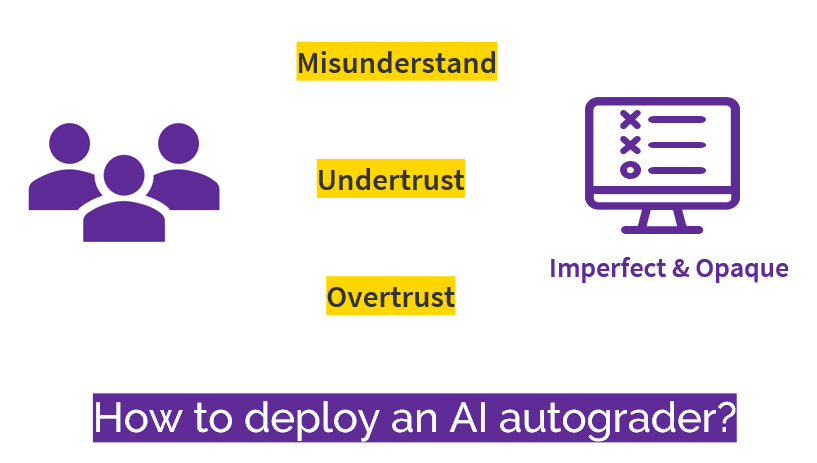
Attitudes Surrounding an Imperfect AI Autograder
Silas Hsu*, Tiffany Wenting Li*, Zhilin Zhang, Max Fowler, Craig Zilles, Karrie Karahalios

Evaluating an Intelligent Sketching Feedback Tool for Scalable Spatial Visualization Skill Training
Tiffany Wenting Li, Ziang Xiao, Molly H Goldstein, Michael L Philpott, Brian Woodard
Theme 3: Develop Novel AI Systems for Learning Contexts That Are Traditionally Hard to Scale
Context 1: Scaling open-ended non-STEM courses
Summary: Unlike many STEM courses, non-STEM courses tend to encourage introspection, critique, and subjective interpretation. Currently, however, large and online non-STEM courses are often taught similarly to STEM courses. How may AI help change the status quo? I performed user-centered ideations with stakeholders and proposed six future research directions.
Publications:

Tiffany Wenting Li, Karrie Karahalios, Hari Sundaram
Context 2: Scaling spatial visualization training
Summary: How do we provide personalized and enjoyable spatial visualization training at scale? I developed a personalized feedback system for free-hand sketching problems and an online spatial visualization training platform deployed in a college classroom.
Publications:
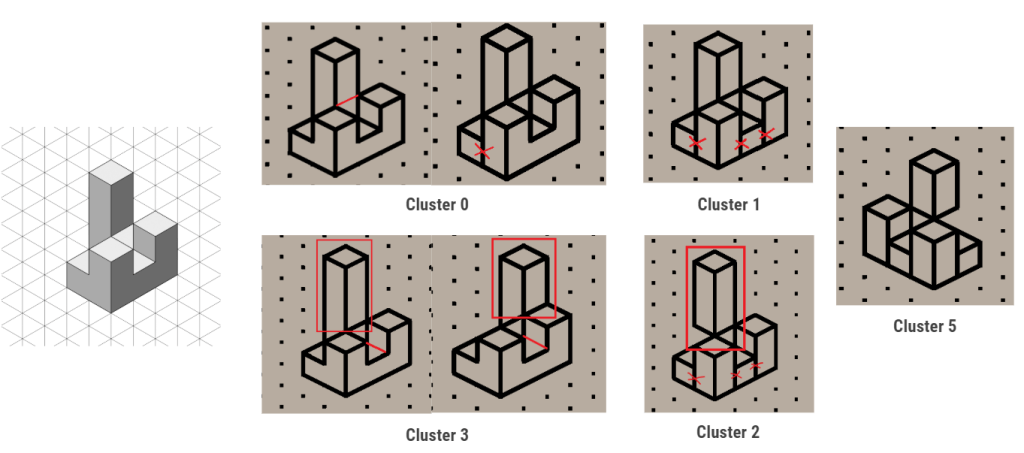
Erroneous Answers Categorization for Sketching Questions in Spatial Visualization Training
Tiffany Wenting Li, Luc Paquette
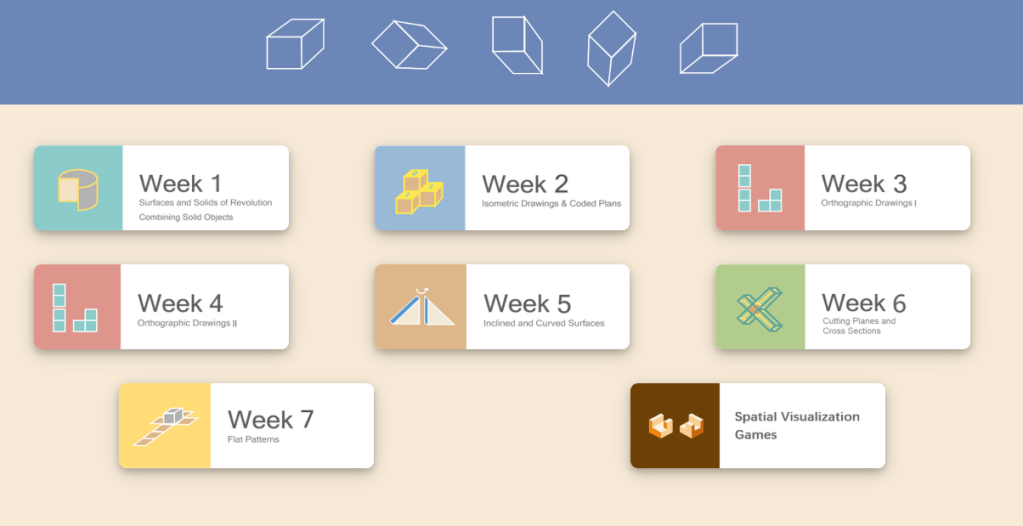
Brian Woodard, Tiffany Wenting Li, Ziang Xiao, Molly H Goldstein, Michael L Philpott
ASEE Illinois-Indiana Regional Conference 2021 (Paper / ASEE Peer)
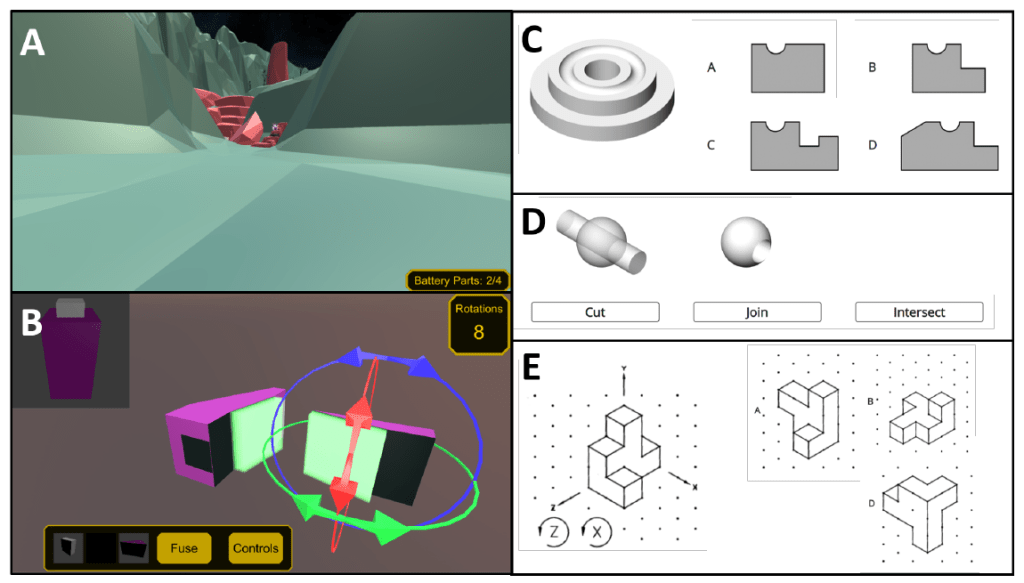
A Data-Driven, Player-Centric Approach to Evaluating Spatial Skill Training Games
Helen Wauck, Brian Woodard, Ziang Xiao, Tiffany Wenting Li, Brian Bailey
CHI Play 2020 (Paper / ACM DL)
Honorable Mention Award
Theme 4: Other HCI Topics
I have contributed my knowledge in Bayesian modeling in projects spanning a variety of HCI topics, including collective decision making, conversational agents, and social network analysis.
Publications: (* = equal contribution)
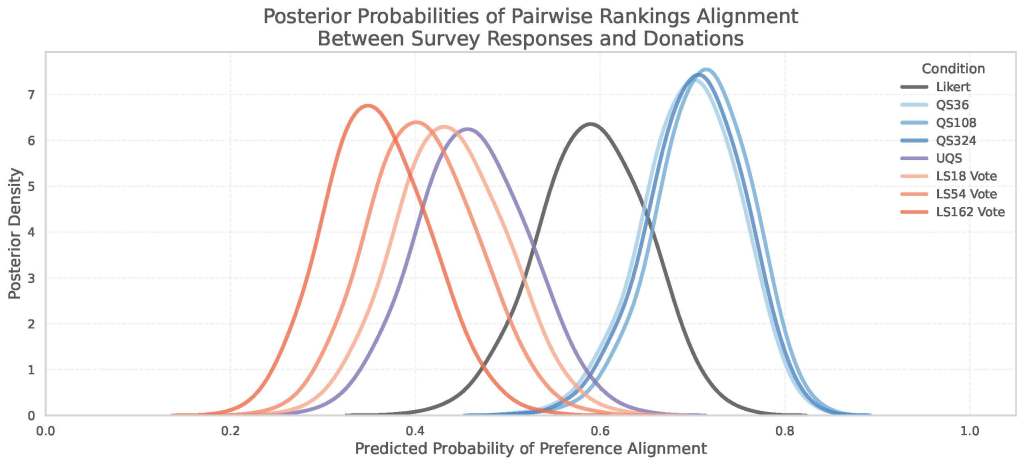
Budget, Cost, or Both? An Empirical Exploration of Mechanisms in Quadratic Surveys
Ti-Chung Cheng*, Tiffany Wenting Li*, Karrie Karahalios, Hari Sundaram
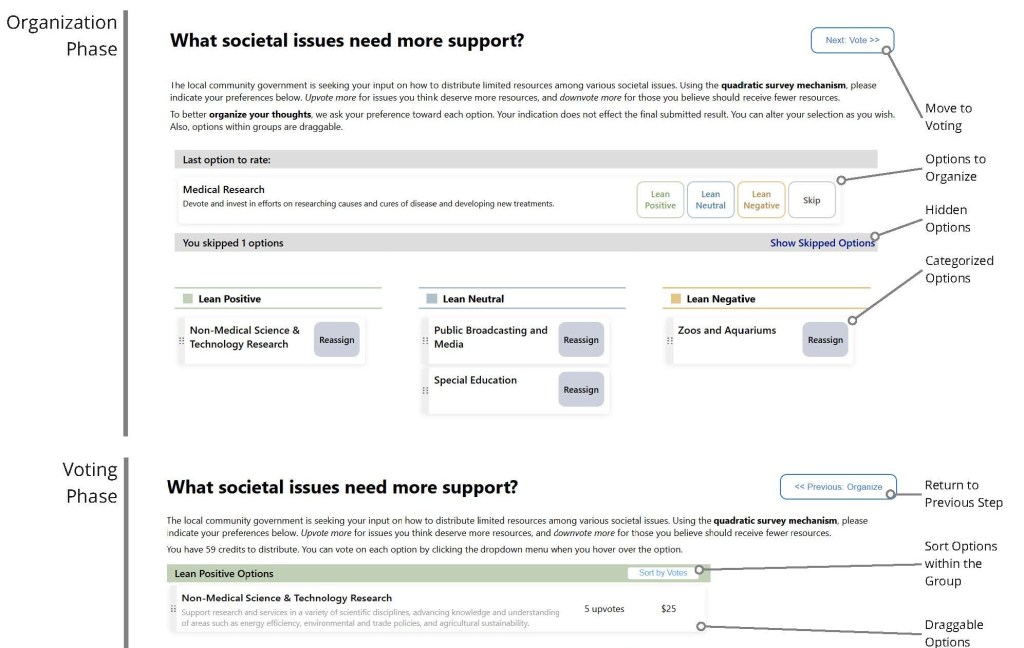
Organize, Then Vote: Exploring Cognitive Load in Quadratic Survey Interfaces
Ti-Chung Cheng, Yutong Zhang, Yi-Hung Chou, Vinay Koshy, Tiffany Wenting Li, Karrie Karahalios, Hari Sundaram

Informed the Uninformed: Improving Online Informed Consent Reading with an AI-Powered Chatbot
Ziang Xiao, Tiffany Wenting Li, Karrie Karahalios, Hari Sundaram
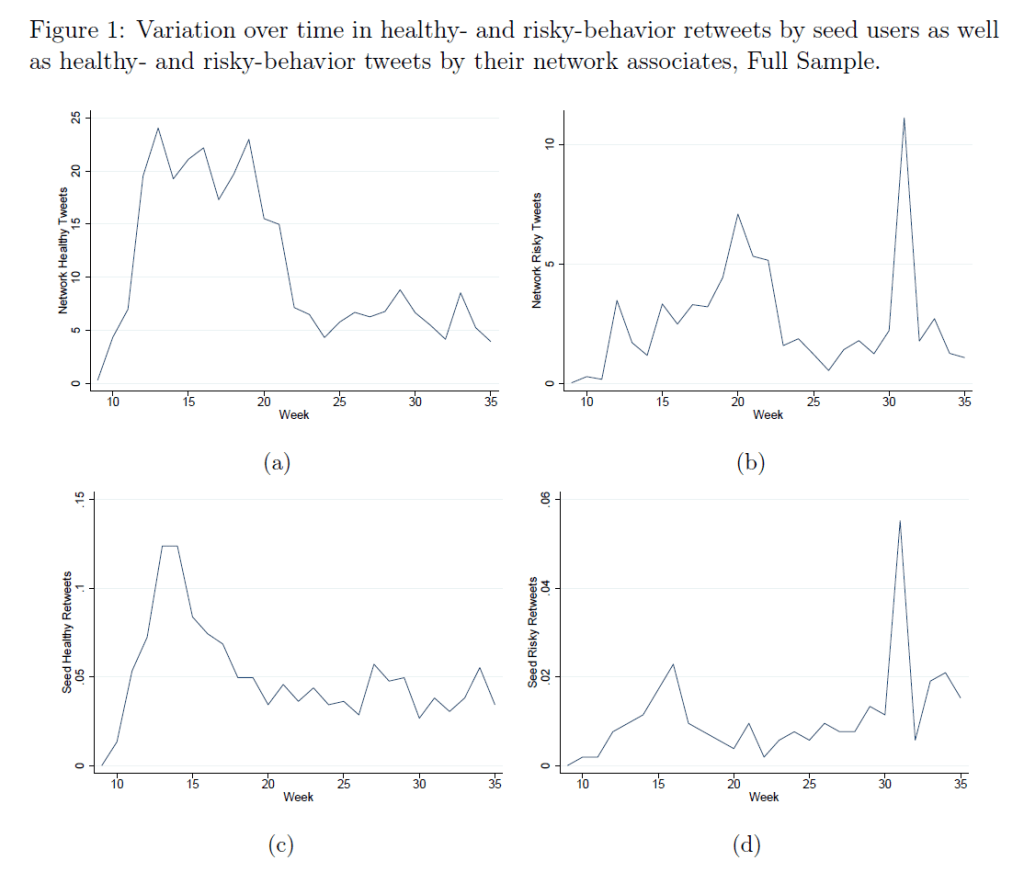
Latent Homophily or Social Influence? An Empirical Analysis of Information Diffusion in Social Media Networks
Bita Fayaz Farkhad, Tiffany Wenting Li, Himel Dev, Man-pui Sally Chan, Dolores Albarracin, Hari Sundaram
In submission to Social Science and Medicine

“I can show what I really like.”: Eliciting Preferences via Quadratic Voting
Ti-Chung Cheng*, Tiffany Wenting Li*, Yi-Hung Chou, Karrie Karahalios, Hari Sundaram
 Tiffany Wenting Li (李文婷)